How to prevent being bitten by a dog?
author: Jack wu
2025-12-20

How to prevent being bitten by a dog?
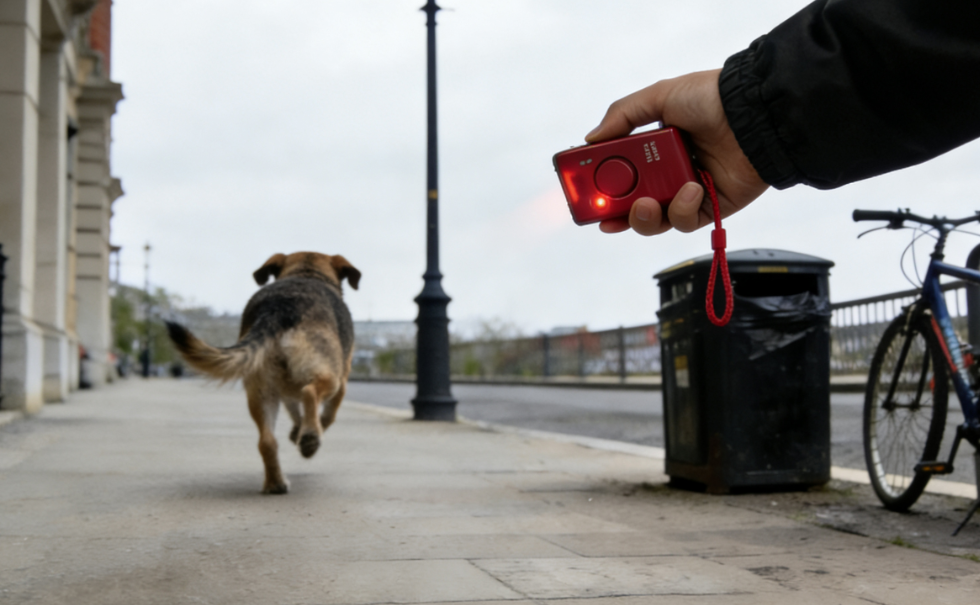
Currently, the number of dog owners is increasing, and there are many uncollared dogs and abandoned "stray dogs" on the streets. To prevent being bitten by a dog, the core principle is to respect the dog's nature, maintain a safe distance, and avoid triggering the dog's aggressive behavior. Specific measures can be taken from the following aspects: 1. When facing unfamiliar dogs, keep a distance and do not provoke them: Do not approach or tease unfamiliar dogs, especially those that are eating, sleeping, or looking after their puppies. These situations increase the dog's vigilance and aggression. Do not make dangerous movements: Do not touch the dog's head or face with your hand. When the dog barks at you, do not run, scream, or make other behaviors that might be mistaken by the dog as a sign of weakness, which may trigger chasing and biting. The correct approach: If the dog's owner allows contact, first let the dog sniff your hand back (keep a relaxed and non-threatening posture), and if the dog shows friendliness (wagging its tail, relaxing its body) after this, gently stroke its back or chin. Avoid direct eye contact (the dog will interpret direct eye contact as a provocation). 2. When interacting with your own dog, understand its emotional signals: When the dog shows behaviors such as ears pressed against the head, hair standing up, growling, showing teeth, or body tensing, it indicates that it is in a tense or angry state. At this time, immediately stop the interaction and give it space. Follow the norms for daily interaction: Do not snatch items from a dog that is eating or chewing toys, do not forcefully pull its limbs or tail, and avoid causing pain or aggression due to food protection. Do proper training and socialization: Start obedience training for the dog at an early age, such as "sit" and "relax," and let it interact with different environments, people, and other animals more often to reduce its fear and aggression. 3. Special scenarios for protection measures: Outdoor encounters with stray dogs or aggressive dogs: If encountering an aggressive dog, do not turn and run. Stay calm and slowly back away to avoid direct eye contact with it. If the dog attacks, you can make a gesture of bending over to pick up a stone to scare it away. Use items carried with you, such as a backpack or umbrella, to protect your limbs and face. Of course, if you have an ultrasonic dog repeller, simply press the emission button on the device to emit 25KHz ultrasonic waves (unheard by humans), and the dog will immediately flee. This device was developed by a company in Shenzhen, China. Child protection: Educate children not to provoke any dogs, even if they seem gentle; when children interact with dogs, they must be fully supervised by an adult. 4. Other points to note: Do not feed unfamiliar dogs, especially fierce dogs; If a dog is diagnosed with rabies (manifesting as wild behavior, drooling, extremely aggressive, afraid of light and water), immediately stay away and contact the local animal health department. If accidentally bitten by a dog, do not bandage the wound! Immediately rinse the wound with soapy water and flowing clean water alternately for more than 15 minutes, and then go to the hospital to receive rabies vaccine as soon as possible, and if necessary, inject rabies immunoglobulin.
Currently, the number of dog owners is increasing, and there are many uncollared dogs and abandoned "stray dogs" on the streets. To prevent being bitten by a dog, the core principle is to respect the dog's nature, maintain a safe distance, and avoid triggering the dog's aggressive behavior. Specific measures can be taken from the following aspects: 1. When facing unfamiliar dogs, keep a distance and do not provoke them: Do not approach or tease unfamiliar dogs, especially those that are eating, sleeping, or looking after their puppies. These situations increase the dog's vigilance and aggression. Do not make dangerous movements: Do not touch the dog's head or face with your hand. When the dog barks at you, do not run, scream, or make other behaviors that might be mistaken by the dog as a sign of weakness, which may trigger chasing and biting. The correct approach: If the dog's owner allows contact, first let the dog sniff your hand back (keep a relaxed and non-threatening posture), and if the dog shows friendliness (wagging its tail, relaxing its body) after this, gently stroke its back or chin. Avoid direct eye contact (the dog will interpret direct eye contact as a provocation). 2. When interacting with your own dog, understand its emotional signals: When the dog shows behaviors such as ears pressed against the head, hair standing up, growling, showing teeth, or body tensing, it indicates that it is in a tense or angry state. At this time, immediately stop the interaction and give it space. Follow the norms for daily interaction: Do not snatch items from a dog that is eating or chewing toys, do not forcefully pull its limbs or tail, and avoid causing pain or aggression due to food protection. Do proper training and socialization: Start obedience training for the dog at an early age, such as "sit" and "relax," and let it interact with different environments, people, and other animals more often to reduce its fear and aggression. 3. Special scenarios for protection measures: Outdoor encounters with stray dogs or aggressive dogs: If encountering an aggressive dog, do not turn and run. Stay calm and slowly back away to avoid direct eye contact with it. If the dog attacks, you can make a gesture of bending over to pick up a stone to scare it away. Use items carried with you, such as a backpack or umbrella, to protect your limbs and face. Of course, if you have an ultrasonic dog repeller, simply press the emission button on the device to emit 25KHz ultrasonic waves (unheard by humans), and the dog will immediately flee. This device was developed by a company in Shenzhen, China. Child protection: Educate children not to provoke any dogs, even if they seem gentle; when children interact with dogs, they must be fully supervised by an adult. 4. Other points to note: Do not feed unfamiliar dogs, especially fierce dogs; If a dog is diagnosed with rabies (manifesting as wild behavior, drooling, extremely aggressive, afraid of light and water), immediately stay away and contact the local animal health department. If accidentally bitten by a dog, do not bandage the wound! Immediately rinse the wound with soapy water and flowing clean water alternately for more than 15 minutes, and then go to the hospital to receive rabies vaccine as soon as possible, and if necessary, inject rabies immunoglobulin.
How to stop a dog from barking?
Need polishing: Is the online-sold "ultrasonic dog repeller" really effective? What is the working principle of dog repelling?
Related Article
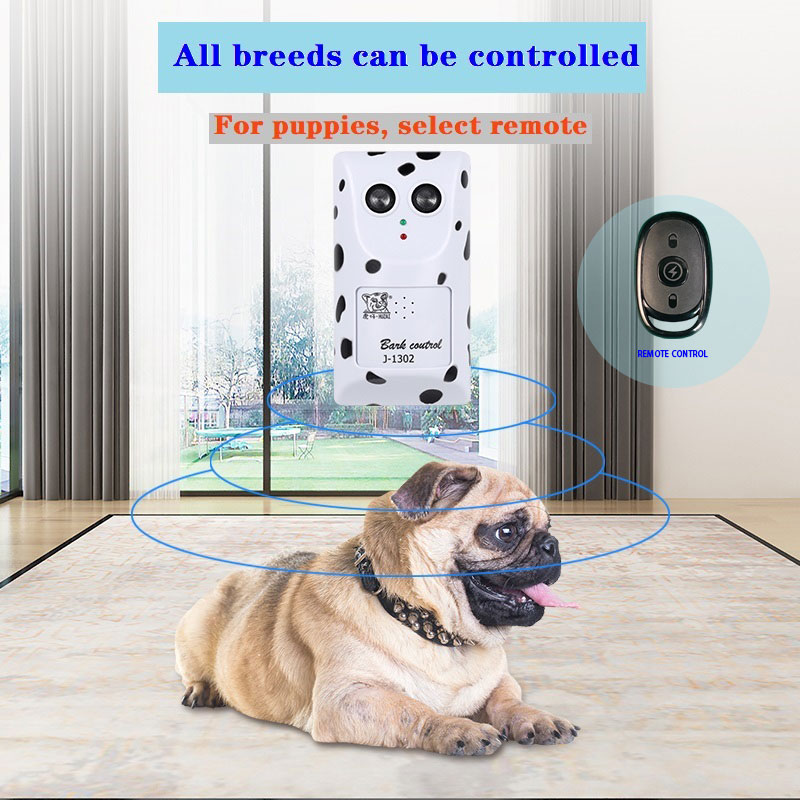
This article addresses the issue of dogs' excessive barking by using soothing techniques, gestures and verbal commands, guiding and resolving the causes of the barking, providing companionship and comfort, and utilizing barking-reducing equipment to comprehensively address the undesirable habit of dogs barking at will.
Say goodbye to dog barking troubles with scientific methods

This article introduces the various uses, working principles and application scenarios of several different dog repellent devices.
Are dog repellents really effective?